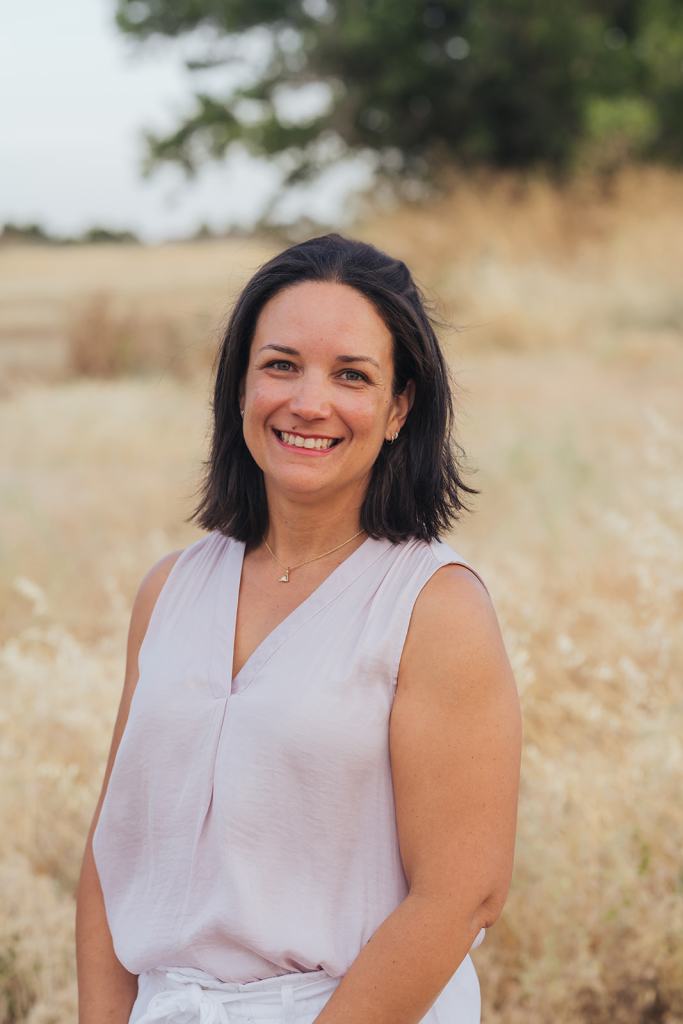
Elyse
Los Angeles, 90039
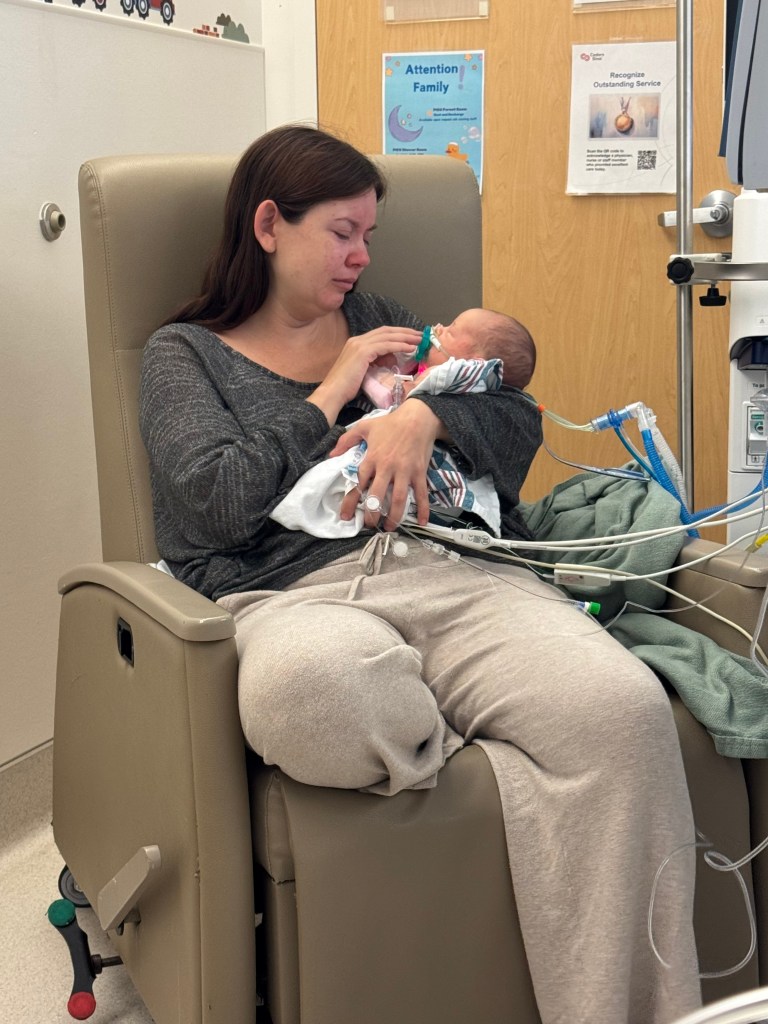
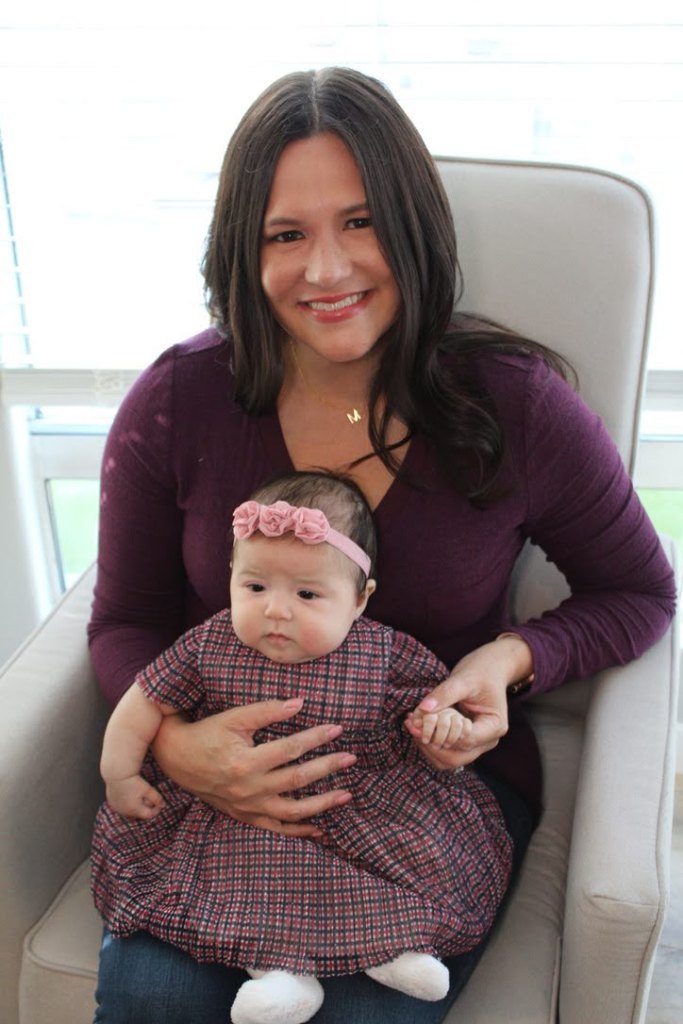
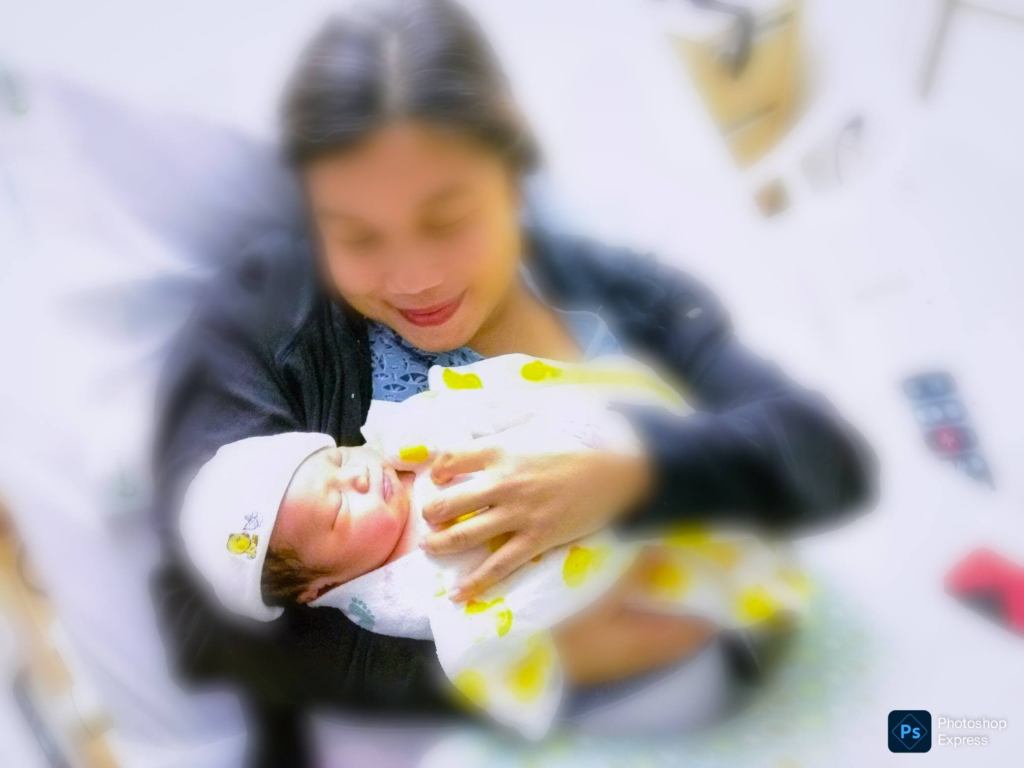
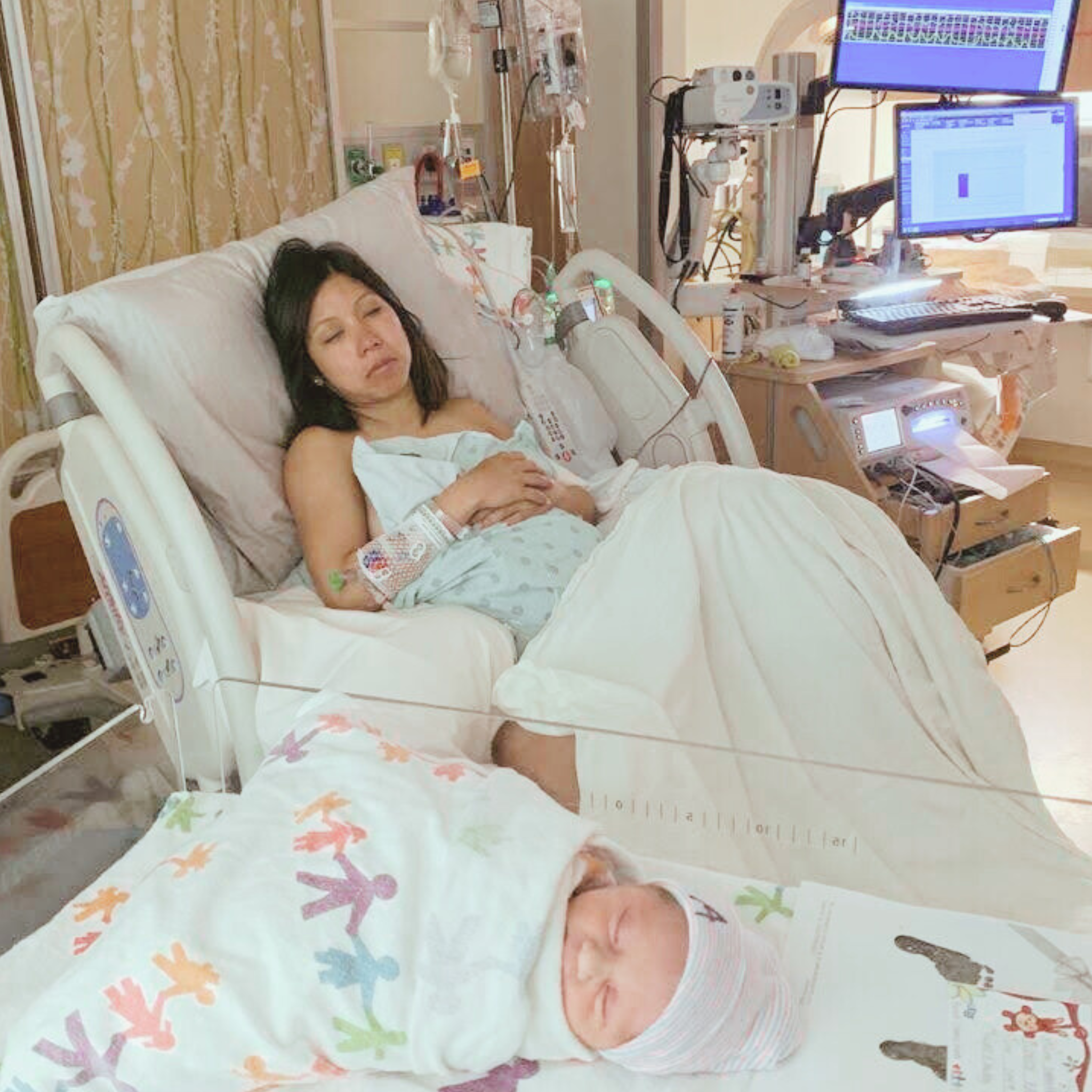
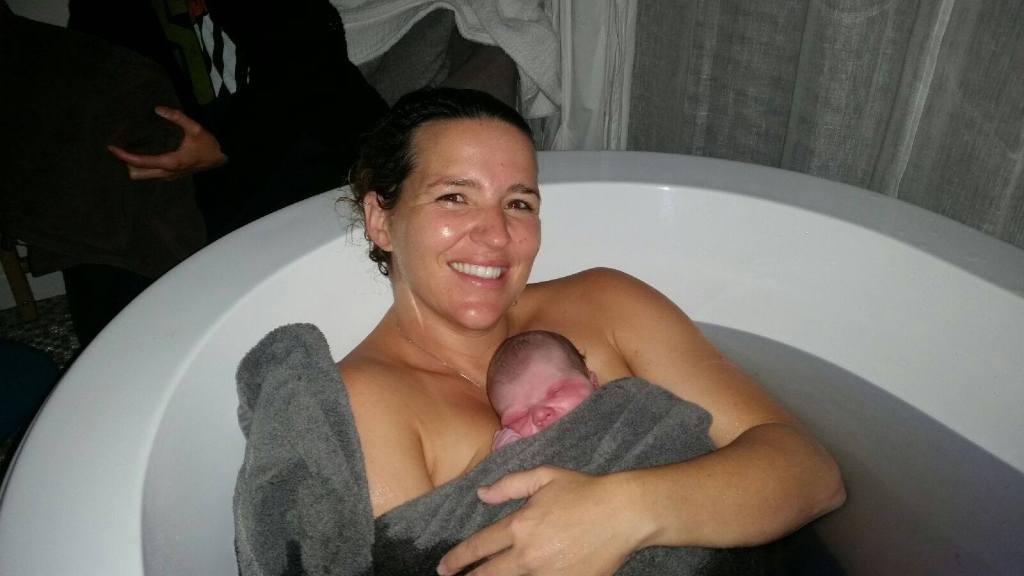
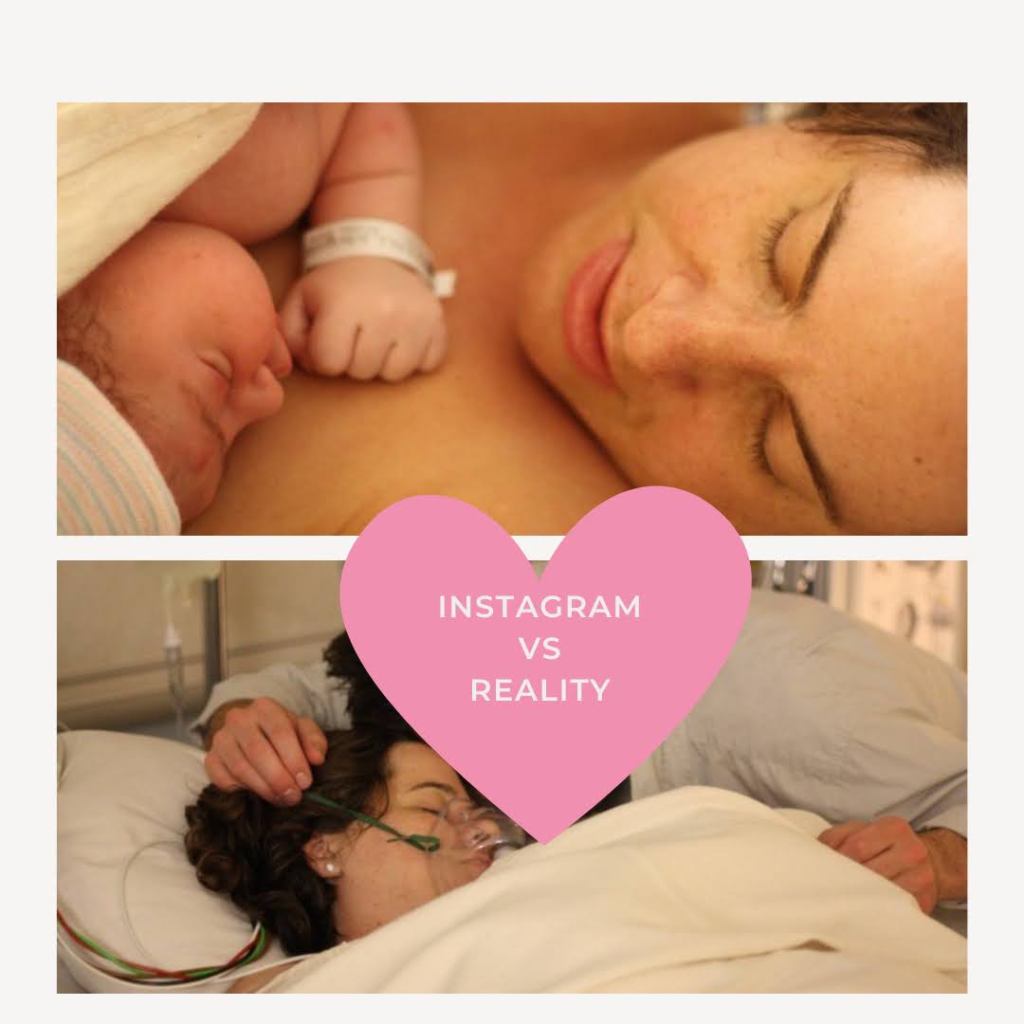
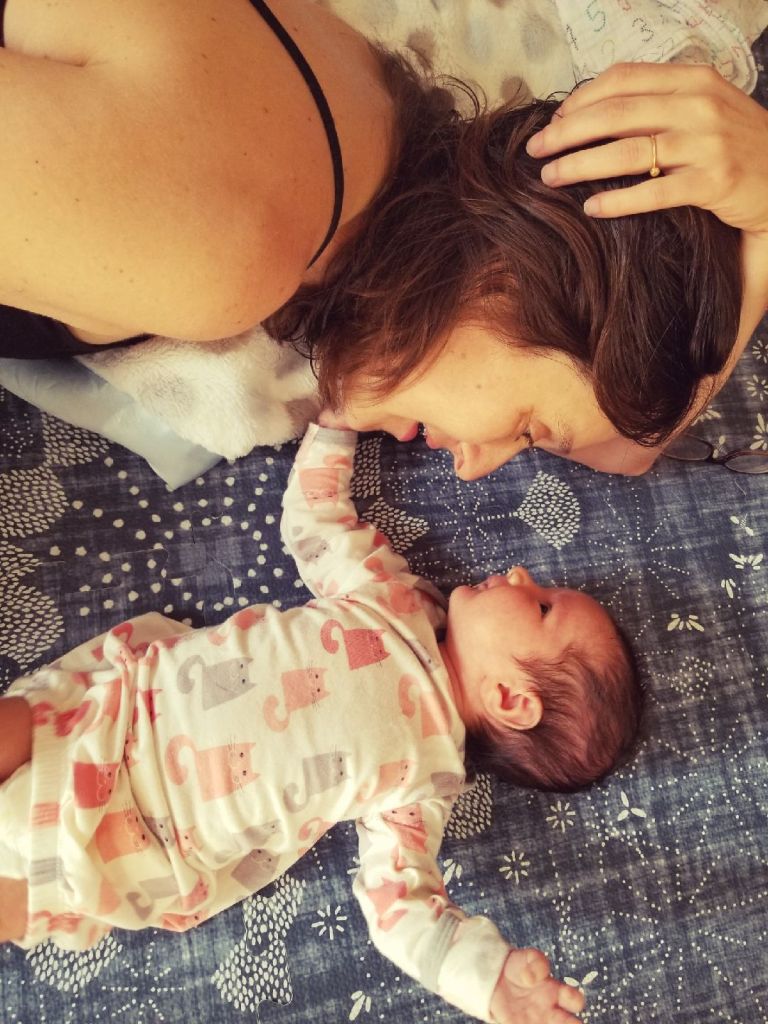
I was a licensed marriage and family therapist when I gave birth to my first child. The delivery ended in an emergency C-section, and I coded. Two photos exist of me in the hours after I stabilized. I have zero memory of either. I shared the first idyllic photo of me holding my child with friends, family and social media. The second was the truly the reality of my experience, the one I cried about to my own therapist and providers.
I asked, “I’m crying every day, is that normal?” Their response was, “That’s just new motherhood.” I did not know perinatal mental health disorders existed, and neither did my they. None of us had training. Perinatal mental health education was not required before licensure to become a master’s or doctoral-level therapist.
I had privilege, education, and access. I asked for help. And still, I fell through the cracks. I was lucky to make it out. Colleagues and friends have not.
Nearly 16 years of working in perinatal mental health and perinatal mental health advocacy later, I am devastated to still hear similar stories: parents missed, dismissed, or misdiagnosed. Clinicians are still not required to learn about perinatal mental health in graduate school or before licensure. How can they diagnose or treat something they do not know exists? They can’t. And they don’t.
I was lucky. I got help at an intensive outpatient program which I attended daily for five months. Hearing the stories of the other mothers in treatment with me was in large part how I healed. Seeing myself reflected in them, I realized I wasn’t a failure as a mother, I was not alone, and that the seemingly small act of sharing our stories can help turn the tide on the rapidly growing perinatal depression crisis in the U.S. and prevent unnecessary suffering for countless others.