Chyna
Long Beach, 90802
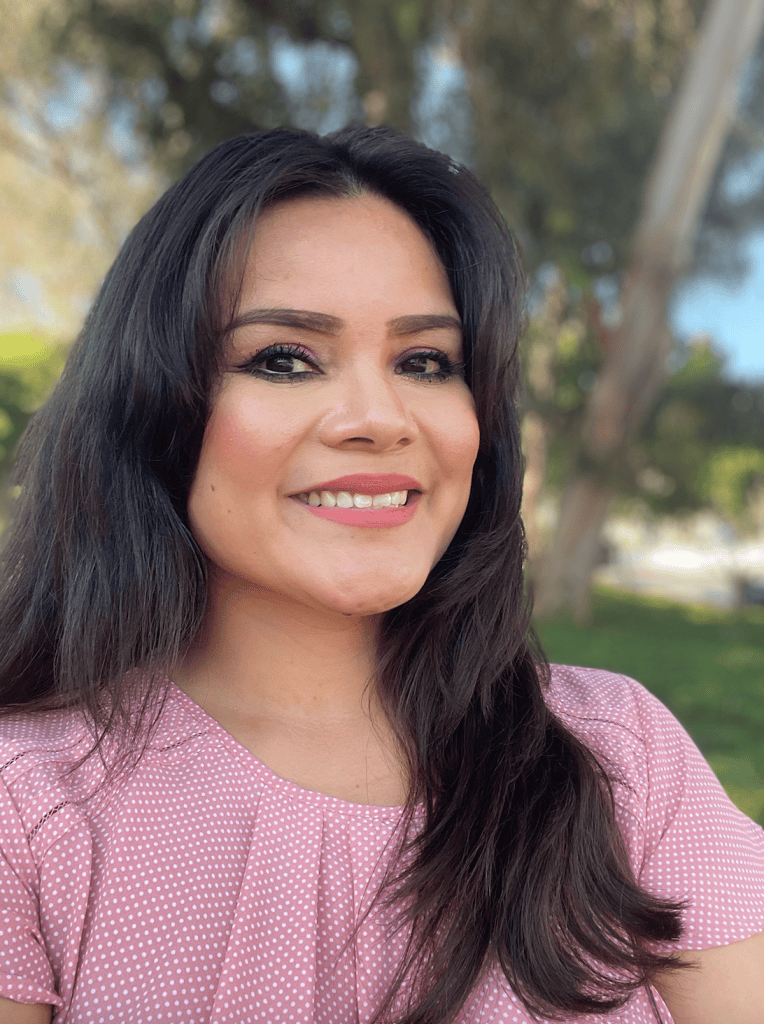
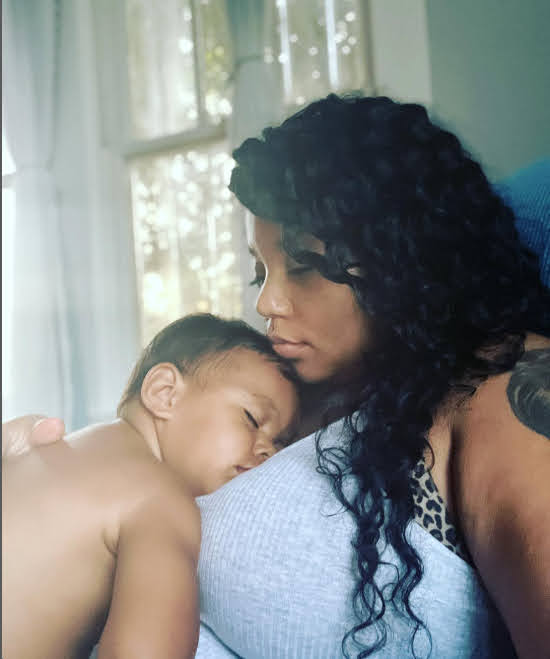
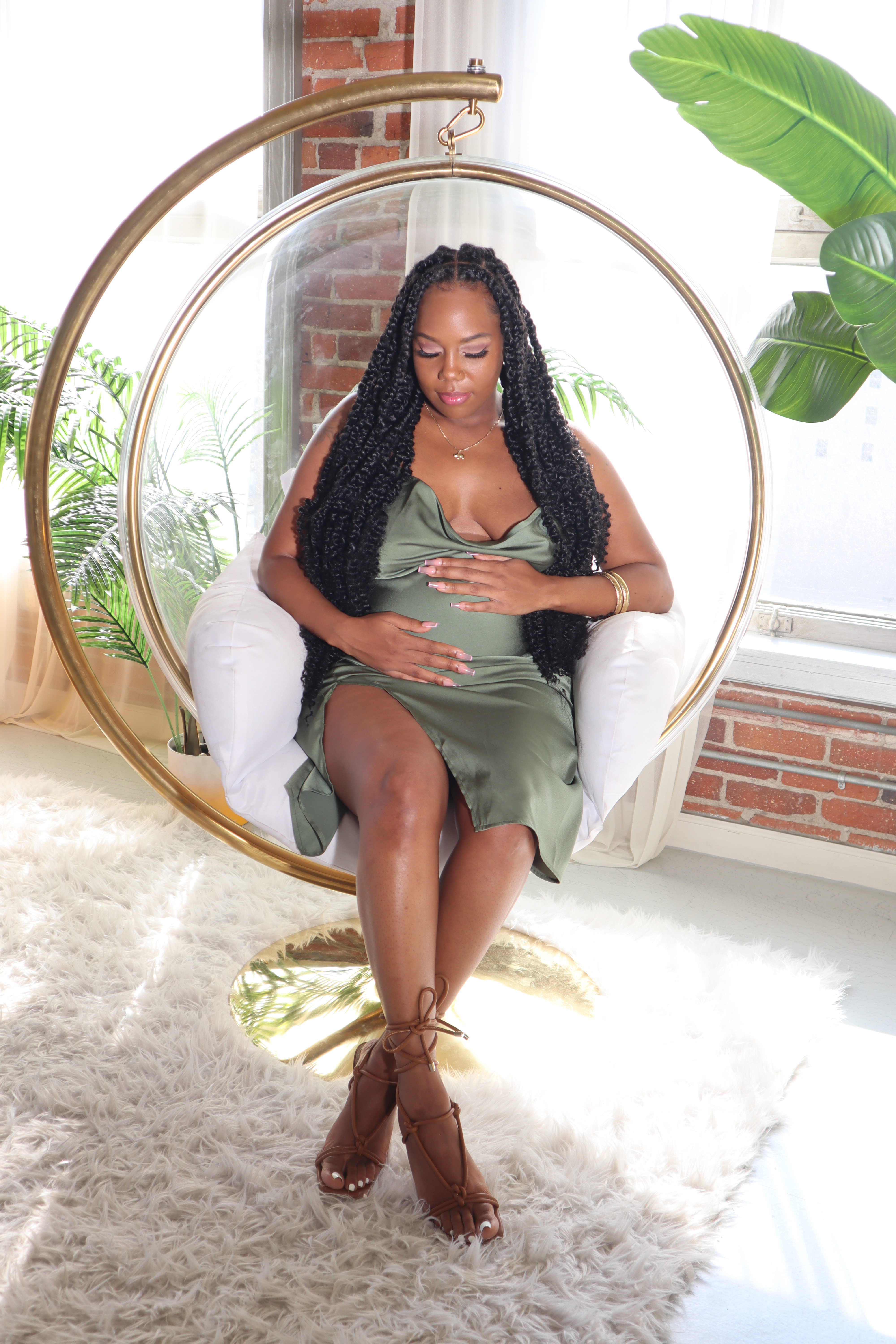
I am a Black mother and licensed clinical social worker (LCSW). I personally experienced postpartum depression and anxiety, which affected every aspect of my daily life, including my ability to return to my corporate career in the way I had expected. I would like to share my story because it illustrates why this work is so deeply personal and why building culturally responsive perinatal mental health care is so urgent.
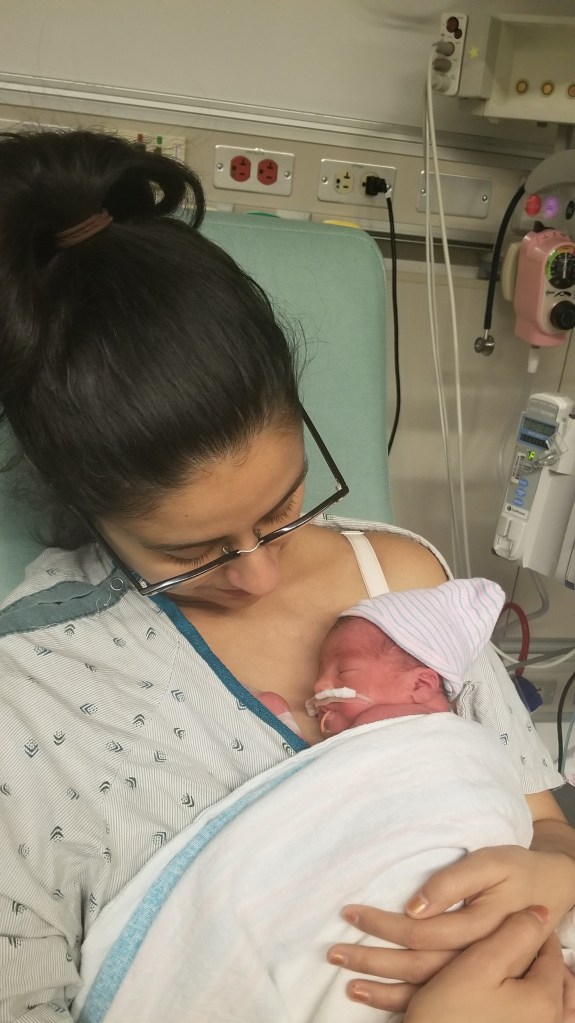
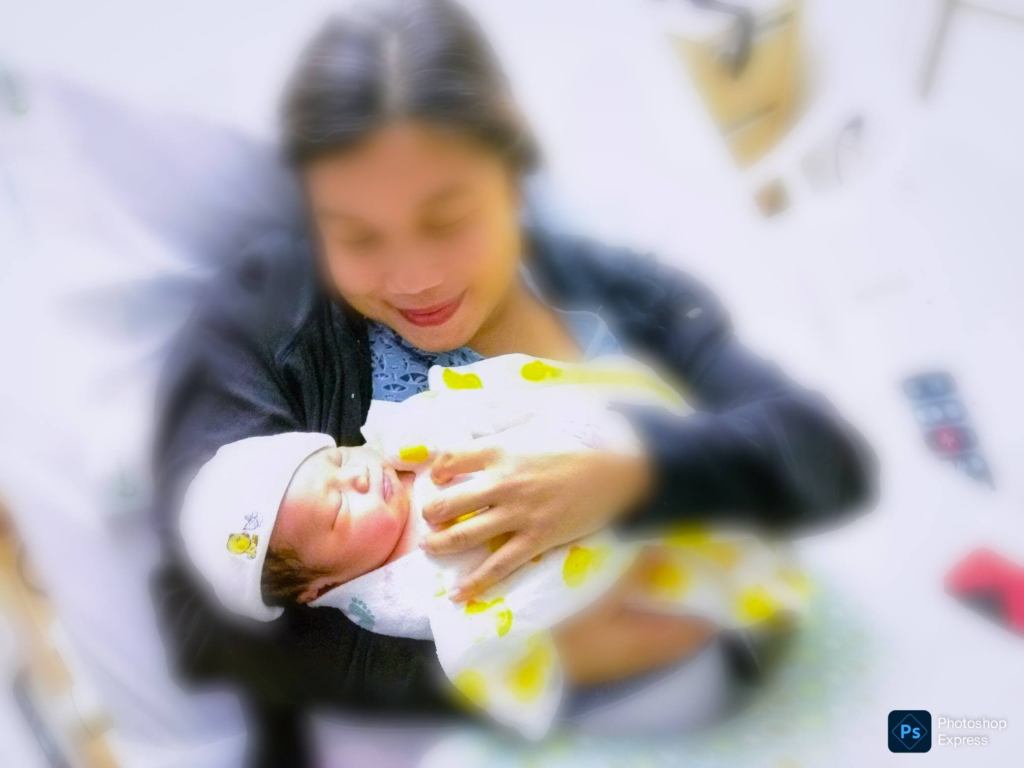
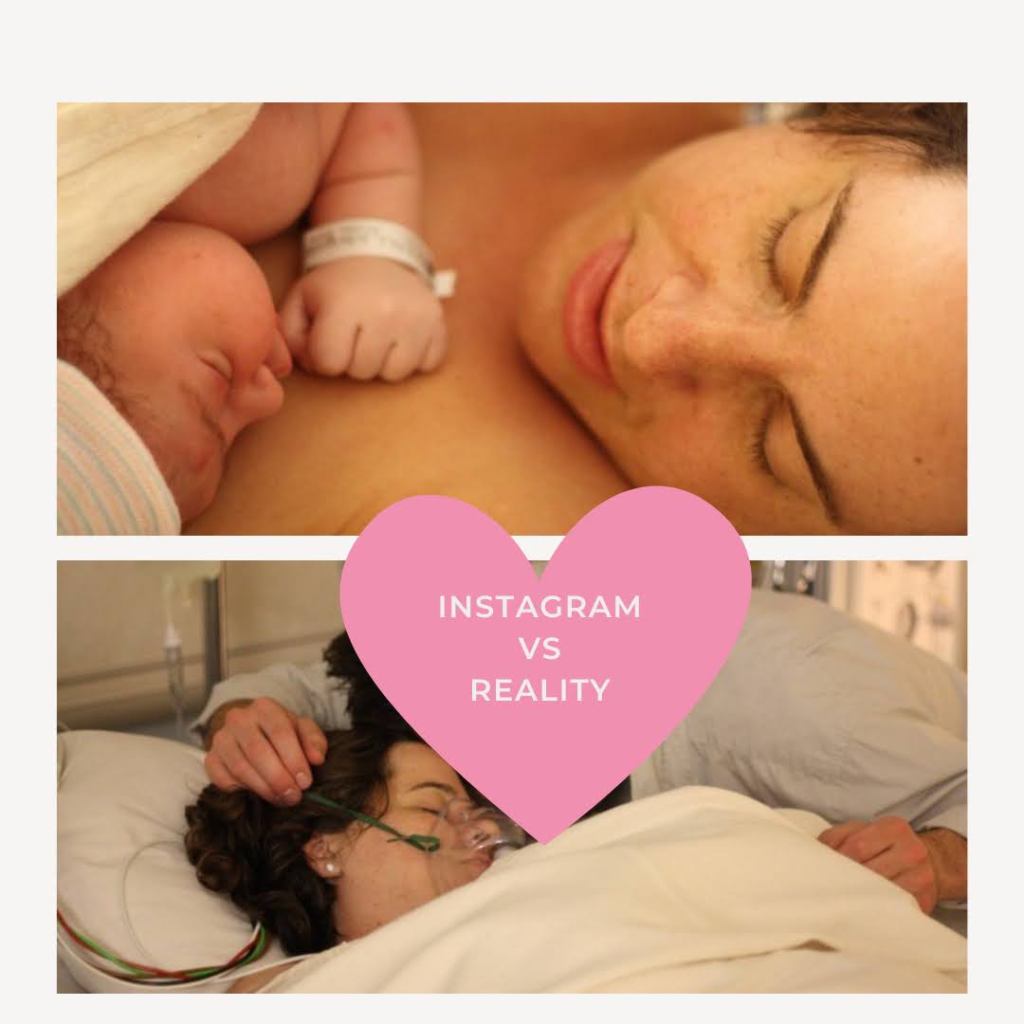
Postpartum did not look like what people expect. It looked like refusing the “golden hour,” avoiding breastfeeding, and opting out of night feedings. It looked like a supportive partner who willingly took both the day and night shifts. It looked like my sister caring for my daughter 12 hours a day during the week, my grandmother showing up four days a week, and my mother stepping in on weekends.
I had everything society says should make postpartum easier: a full year of paid maternity leave, though I returned after six weeks, a strong village, a deeply supportive partner, a Black OB-GYN, two therapists, advanced education, financial stability, and tangible support. And still, I felt lost.
That experience reshaped how I understand access, support, and what it truly means to be held during the postpartum period. If someone with every available resource can struggle, it raises a critical question: What happens to those without access to care, community, or culturally responsive support?
This story connects directly to my work building integrated, community-rooted models of care that move beyond screening and into real, sustained support. Ultimately, it is about closing the gap between what exists and what Black mothers and birthing people actually need to feel seen, supported, and well.