Nitaya
Los Angeles
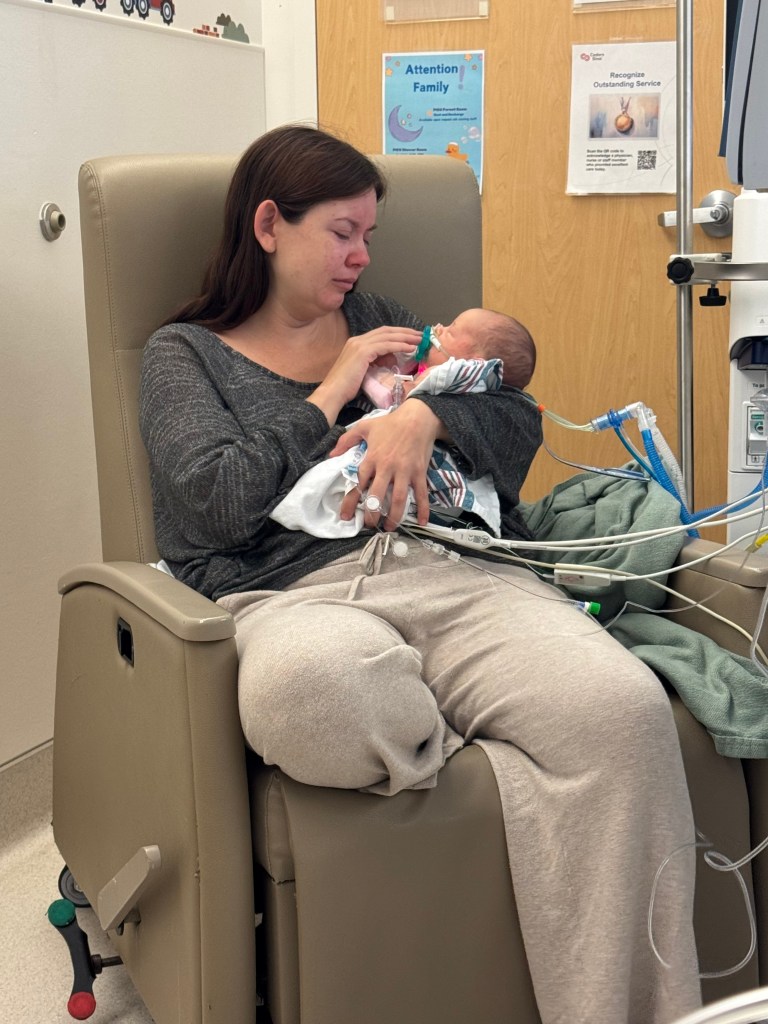
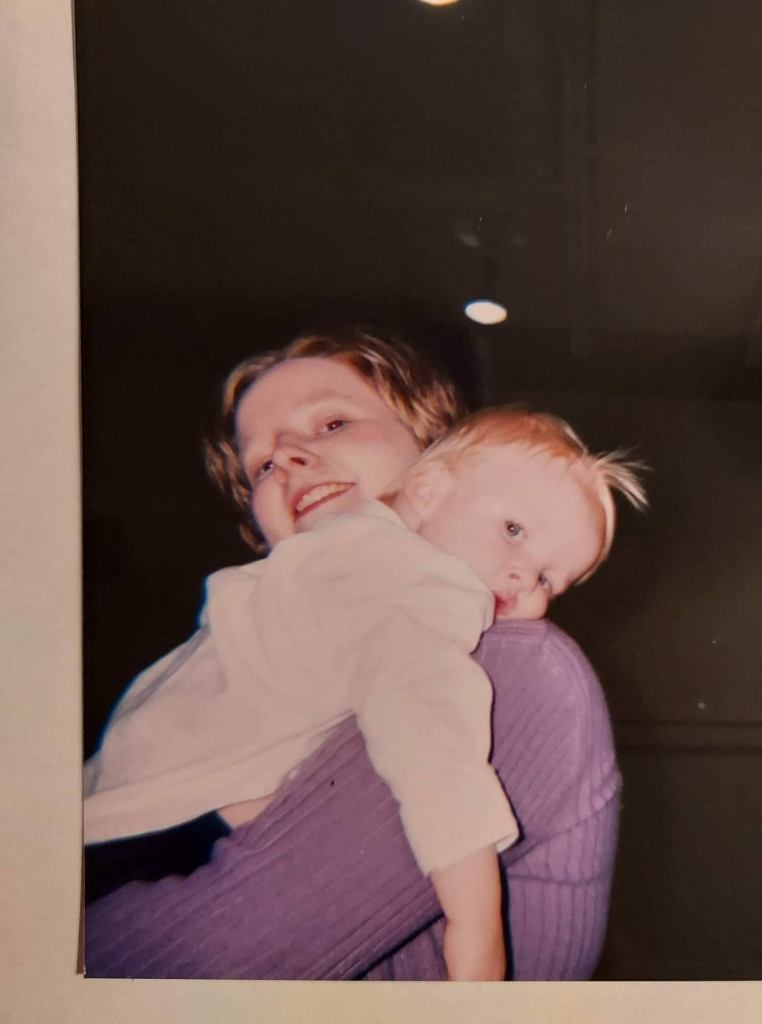
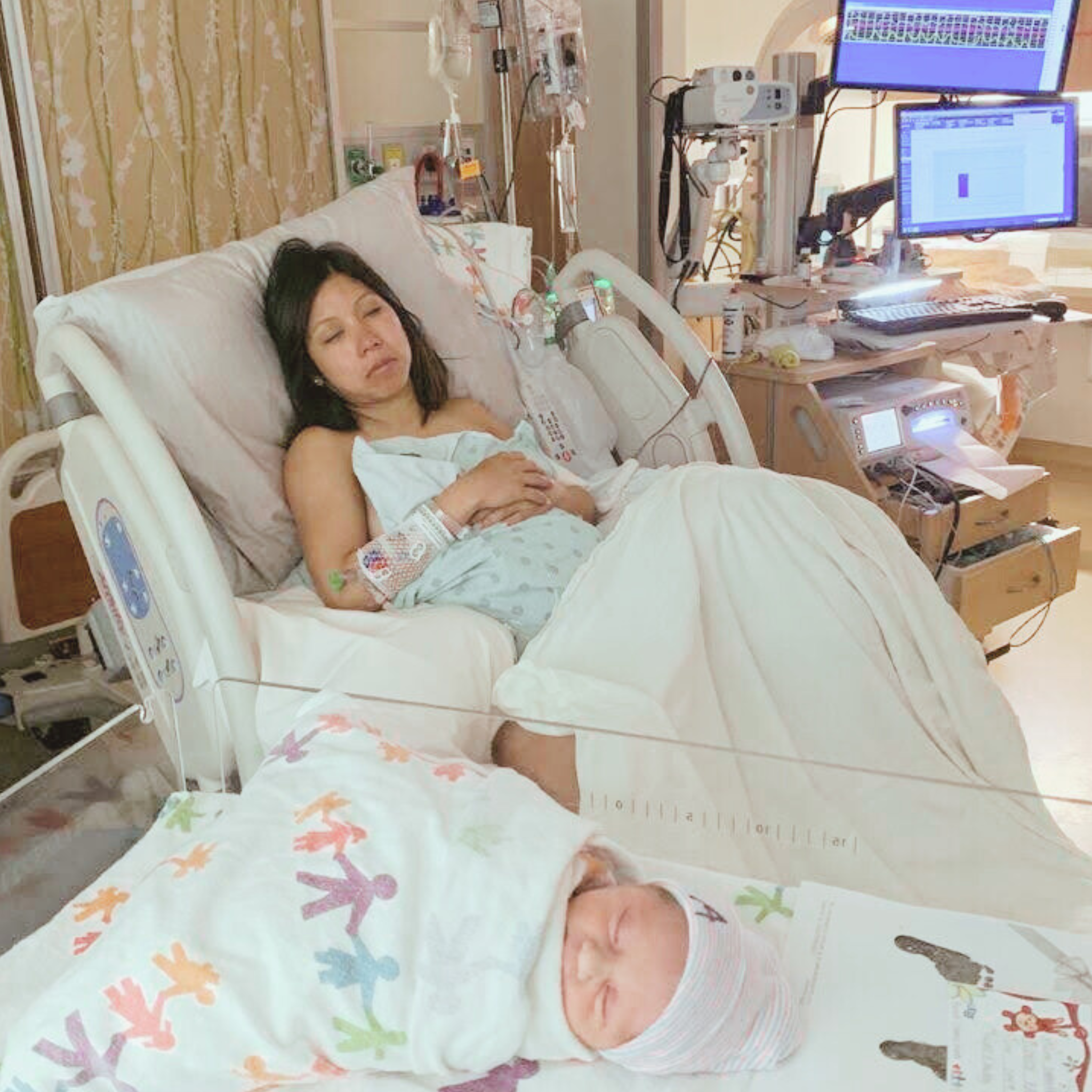
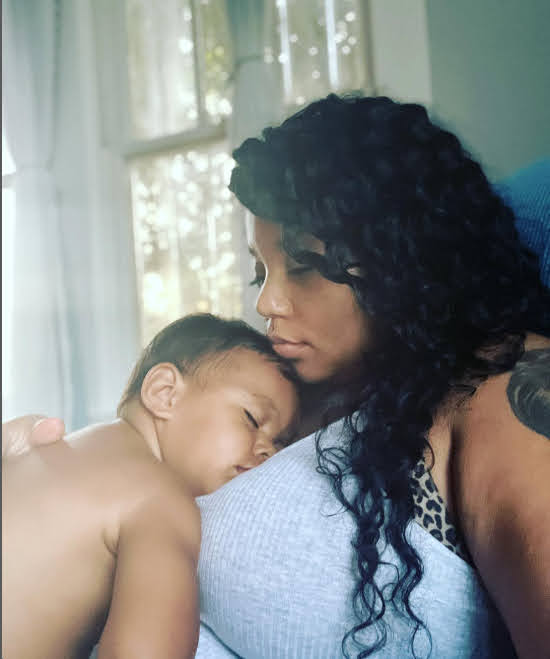
In 2008, after a difficult pregnancy and labor, I gave birth to my daughter by C-section. I remained in the hospital for five days, yet the moment I was discharged, survival took priority over recovery. I drove myself to buy diapers, wipes, and formula while still leaking fluid from surgery because there was no one else to do it. Just two months later, I was hospitalized with severe pneumonia. My lungs filled with infection, and doctors drained bags of fluid from my body through a needle in my back. As I struggled to breathe, my only thought was getting home to my baby.
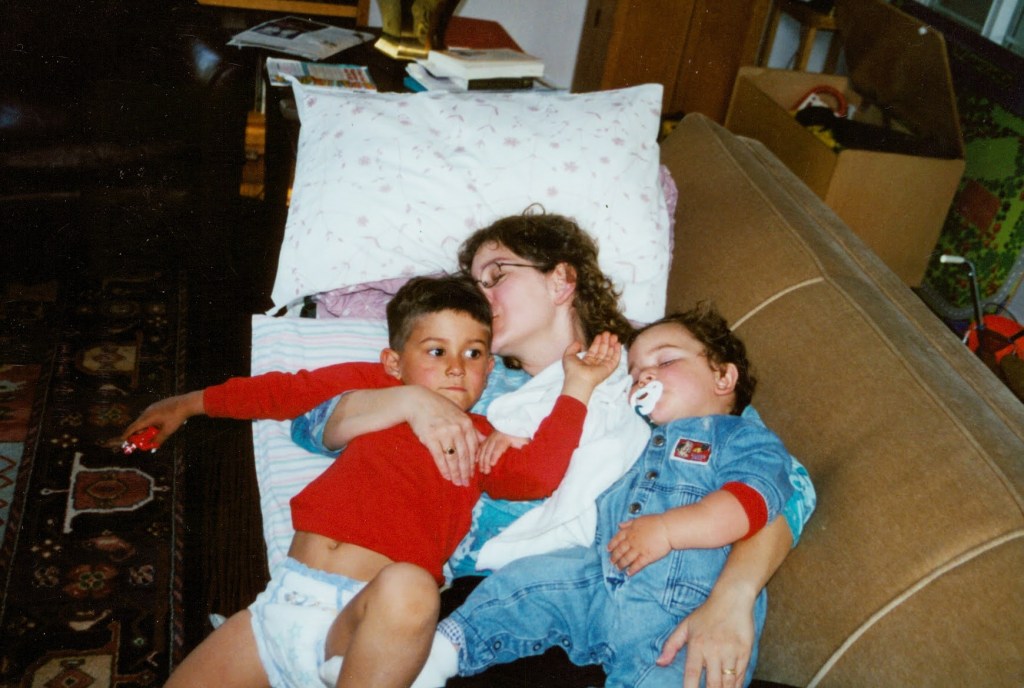
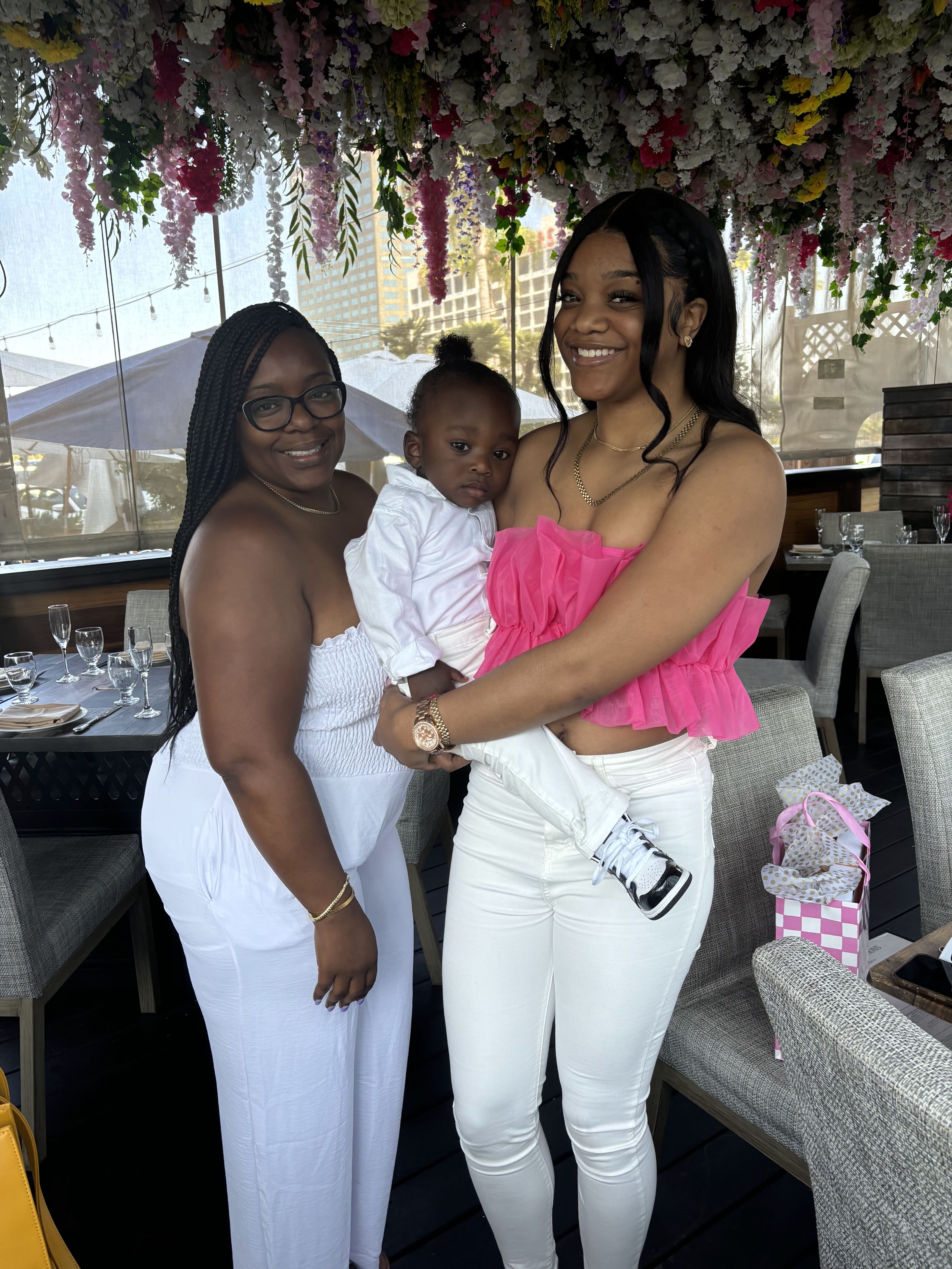
The depression that followed stayed with me for years. I felt pressured to work, pay bills, and care for everyone else while ignoring my own health. When my son was born years later, new challenges emerged. He was eventually diagnosed with autism after significant developmental delays, and I found myself fighting for services that were often unavailable or denied. Today, I continue raising both children as a single mother, working long hours while advocating for my son and supporting my daughter. My story reflects how mothers are often expected to recover, provide, and persevere without the support they need. Maternal well-being is not a luxury, it is essential for families and communities to thrive.
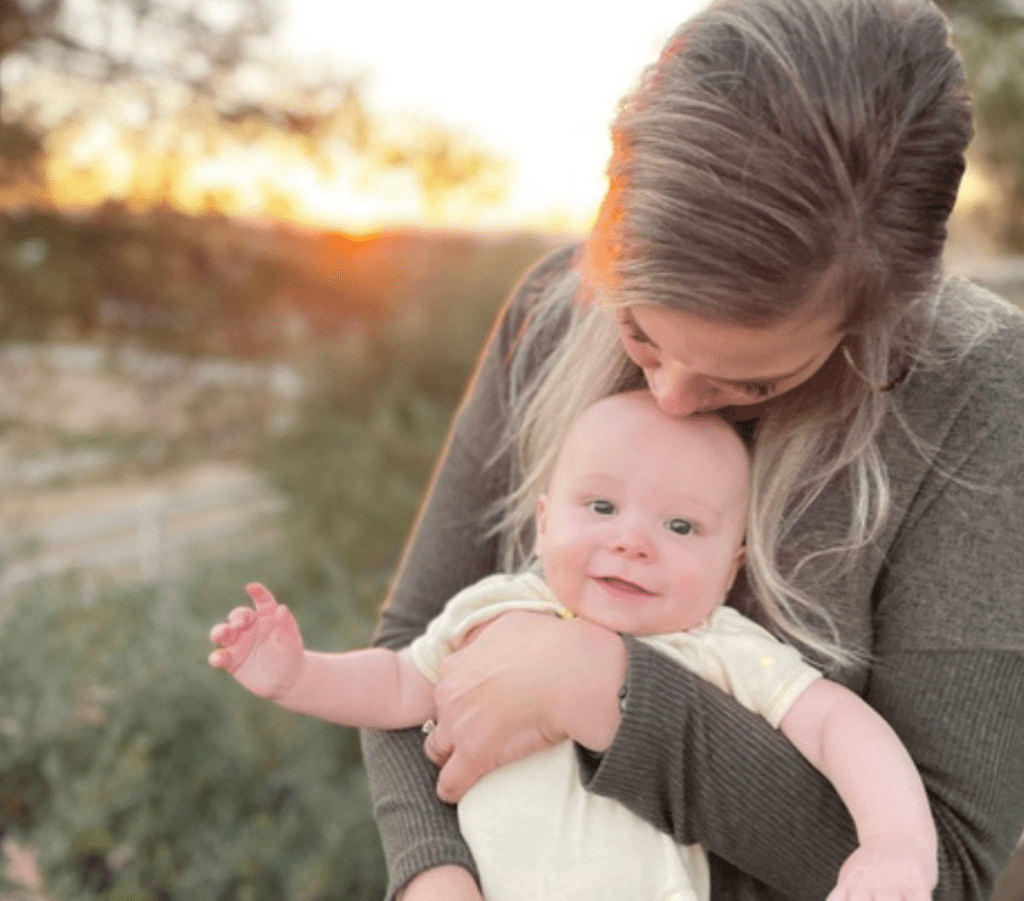
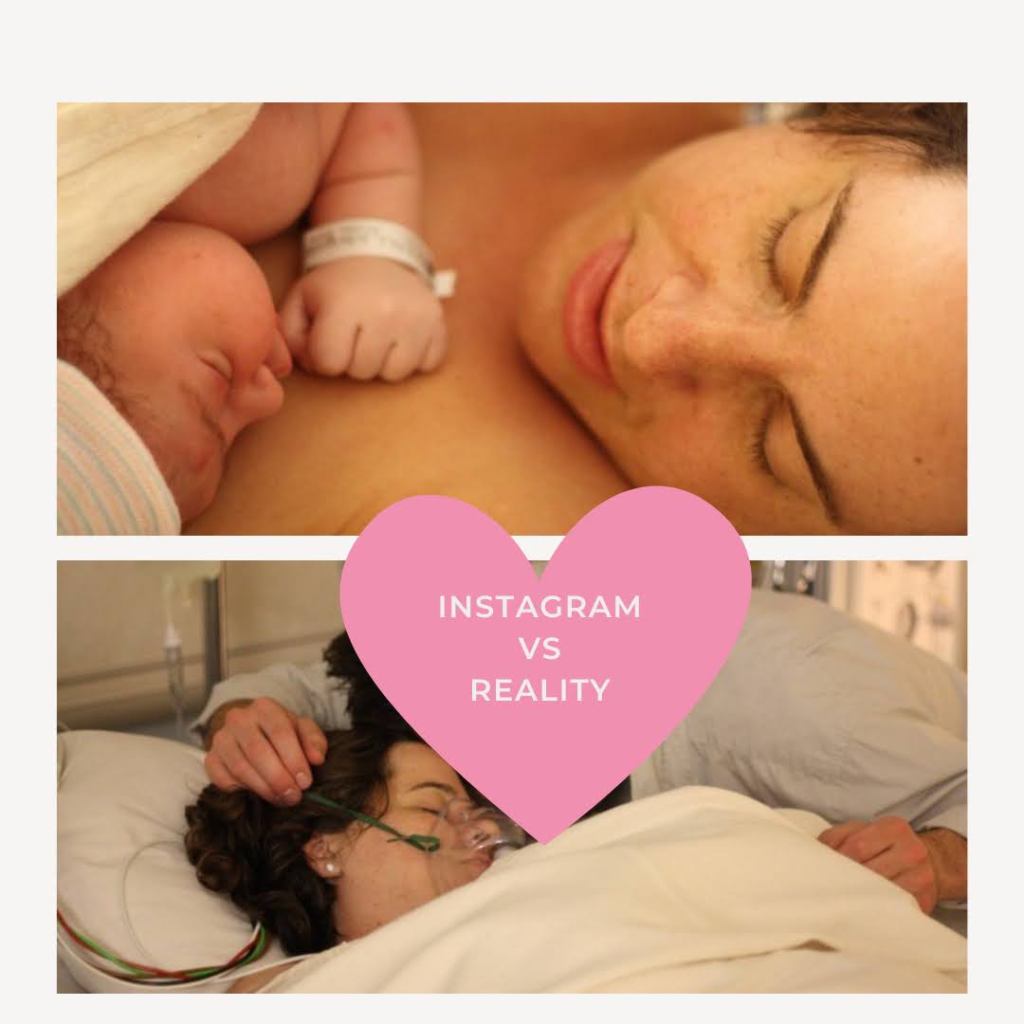
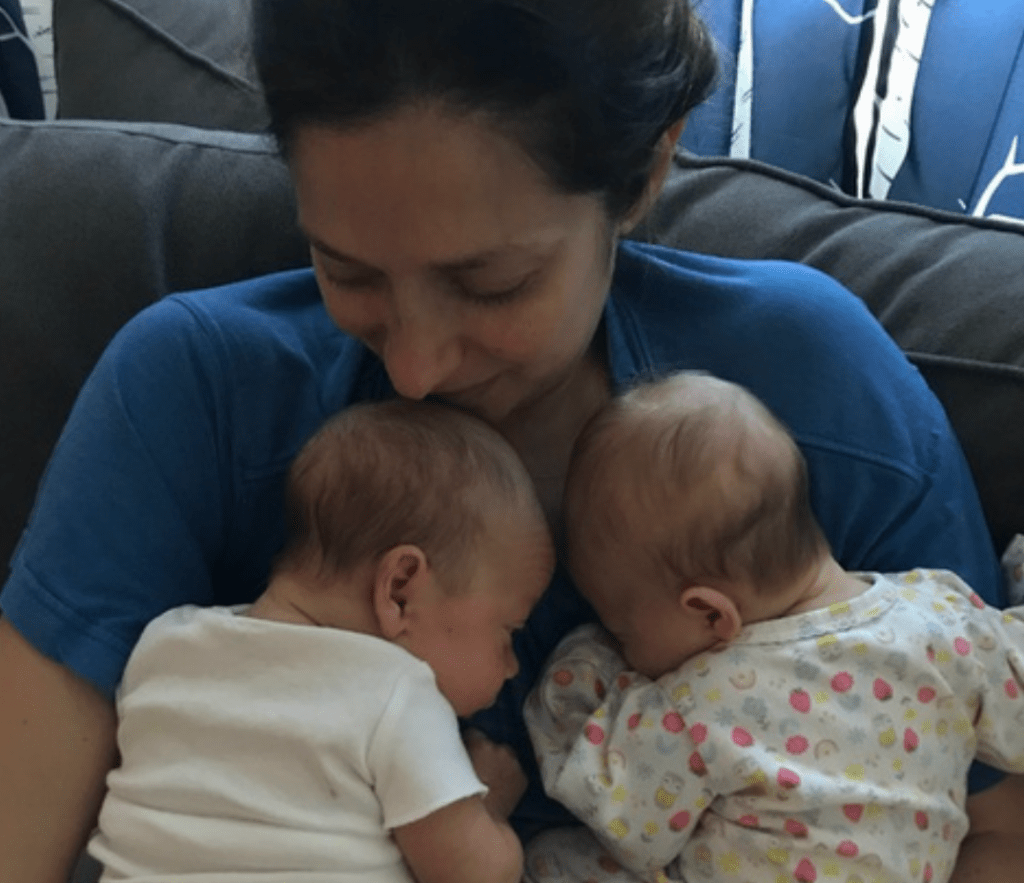
After a traumatic labor and delivery experience, I was immediately met with pressure surrounding breastfeeding. When my daughter cried inconsolably for hours and finally drank an entire bottle of formula, I internalized the moment as another personal failure. I became consumed with guilt, convinced I was unfit to be a mother. Raised in a predominantly Mexican American community where postpartum struggles were rarely acknowledged, I suffered in silence, terrified of judgment and fearful of losing my child if I disclosed my thoughts.
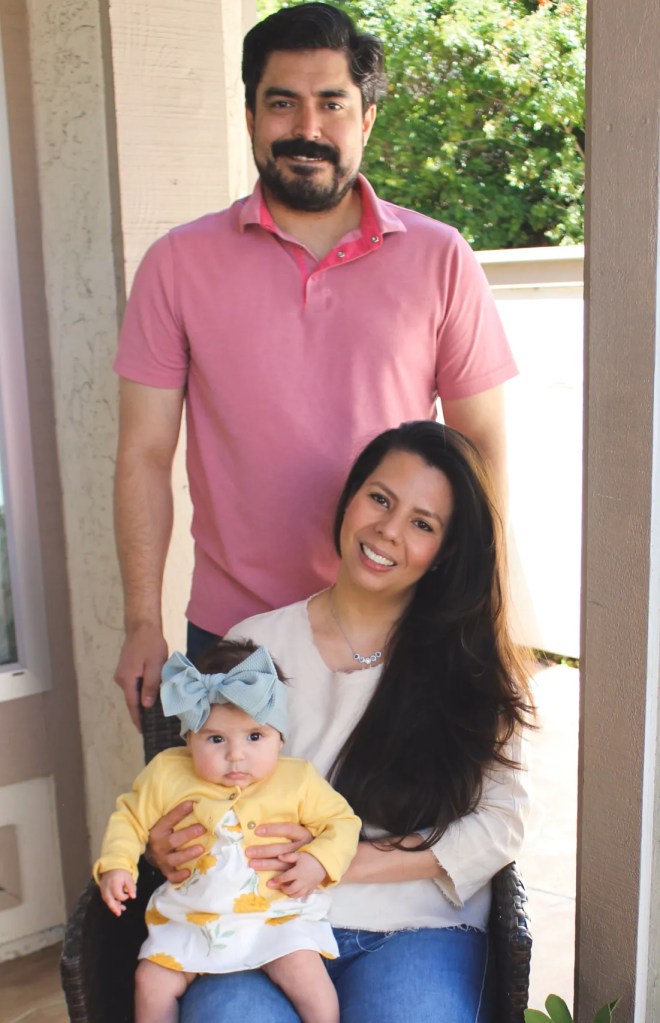
Everything changed when my husband gently asked, “Are you okay?” That question opened the door to healing. Through honest conversations with him and later my mother—who revealed her own experience with postpartum depression—I began to understand that perinatal mental health exists on a spectrum and no story is universal.
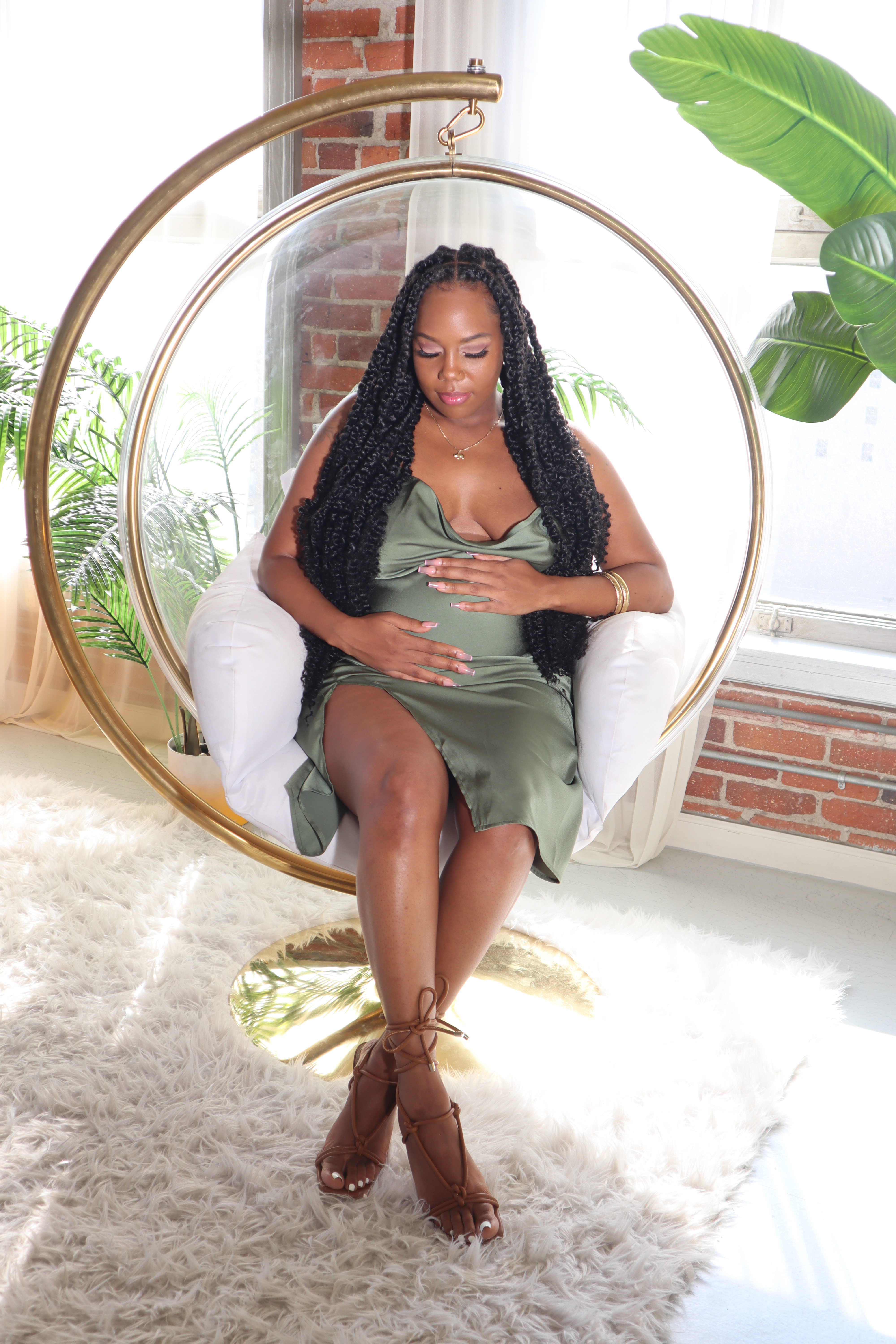
During my second pregnancy with my daughter Alora Kai, I experienced severe hyperemesis gravidarum and perinatal depression during the height of COVID-19. After repeated medical dismissal and a near-fatal cardiac episode caused by prolonged starvation and dehydration, I was finally diagnosed and treated appropriately. My journey reflects the complexity of perinatal mental health and the urgent need for compassionate, informed, and culturally responsive care.