
Jared
Los Angeles, 90232
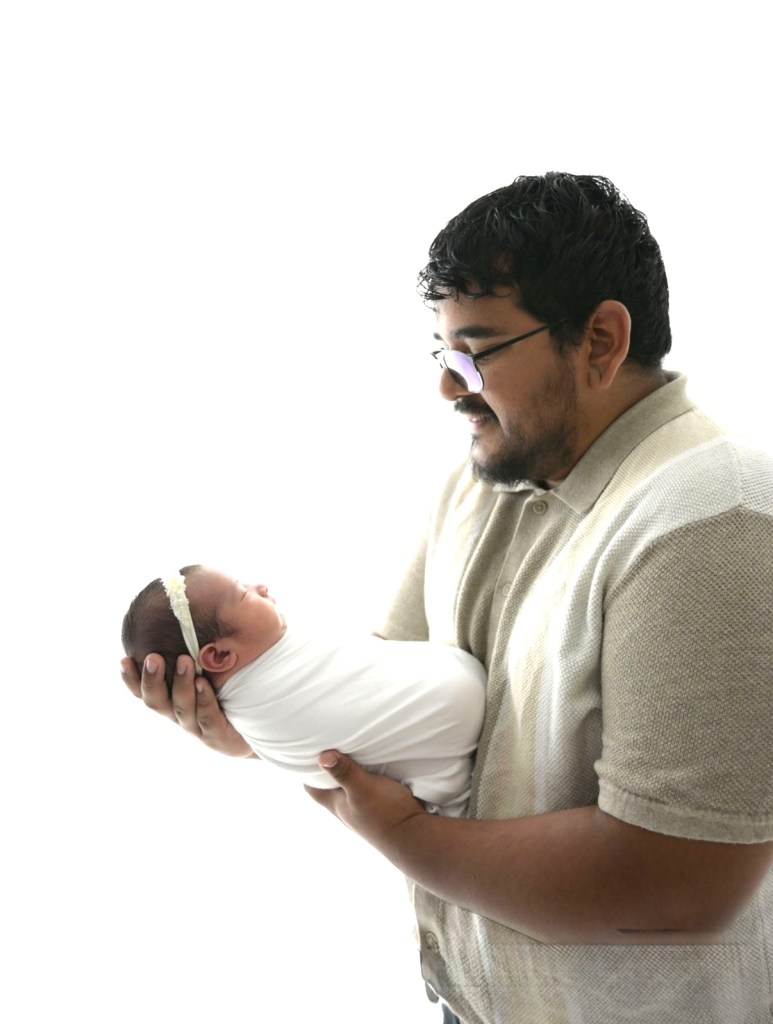
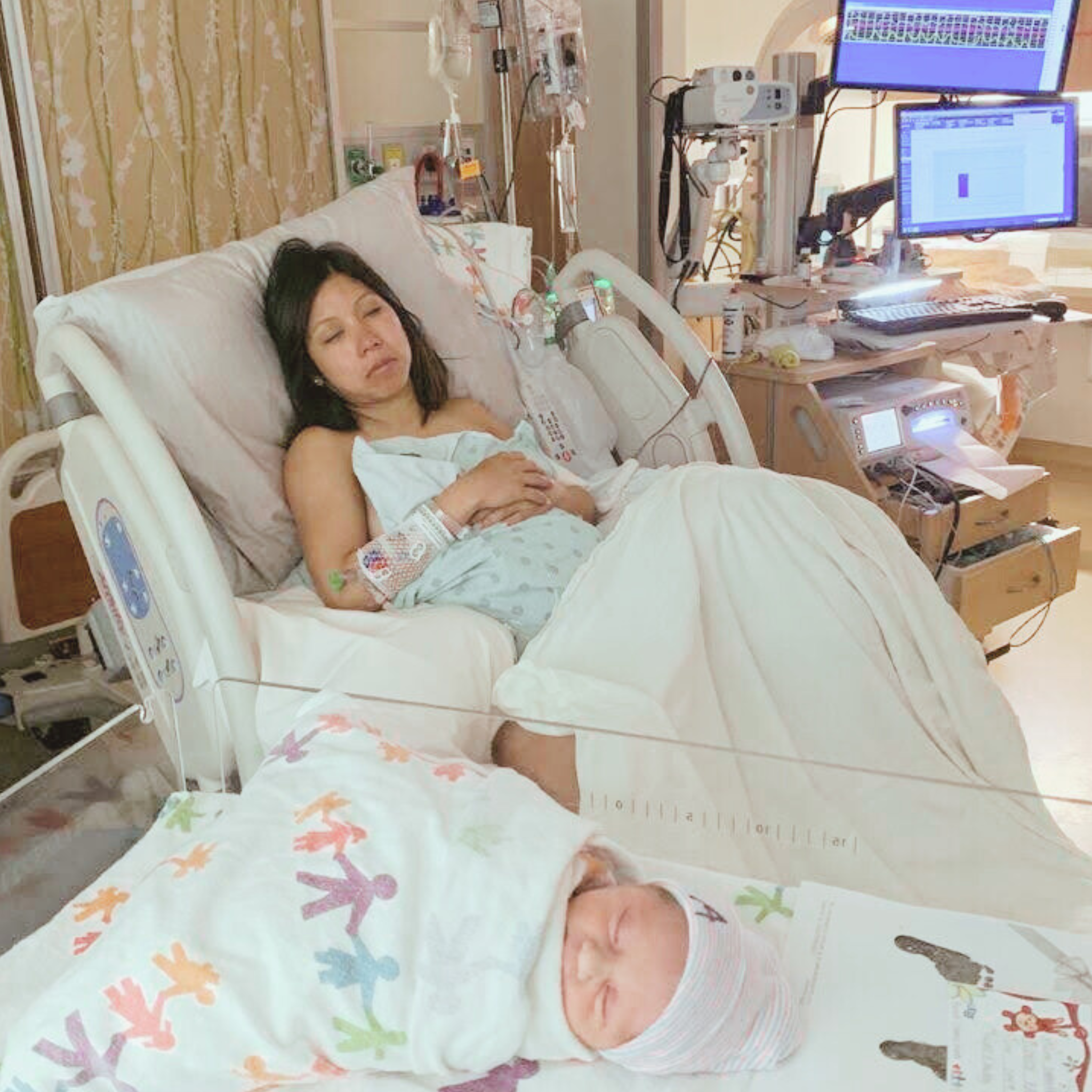
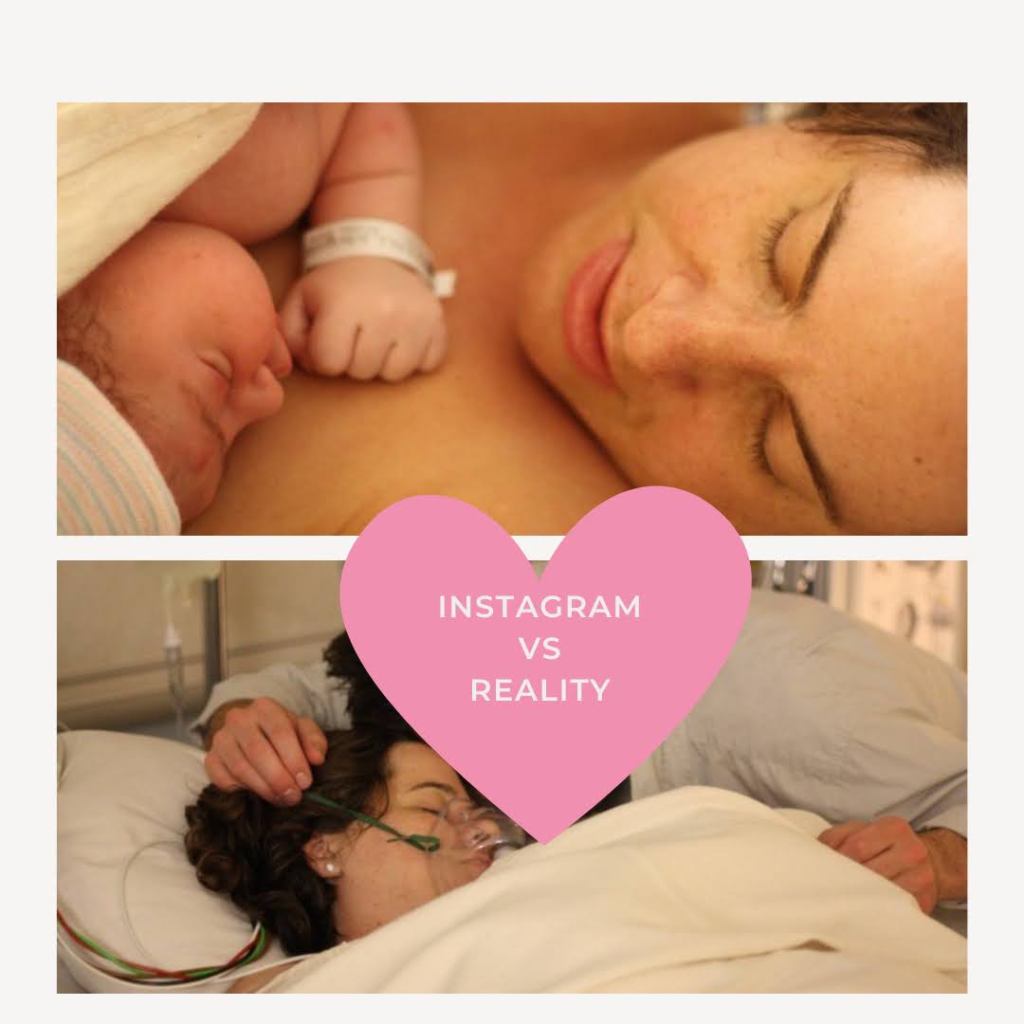
Becoming a father in 2018 was both joyful and disorienting. As a licensed clinical social worker with a history of mental health challenges, I thought I was prepared, but nothing prepared me for what followed my daughter’s birth. Raised by a single mother after my father left, I set a simple goal: just show up. But during a traumatic delivery, I watched my wife in extreme pain and feared losing her as she hemorrhaged, with little communication from staff. I felt completely helpless and unable to protect her.
In the months that followed, I experienced persistent low mood, an inability to feel joy, and a deep identity crisis. I felt less like a father and more like a servant, going through the motions without purpose. When I left my job to stay home, the depression deepened. I spent days lying on the floor while my daughter crawled over me, walking tens of thousands of steps just to get through the day. What I didn’t expect was how staying home with an infant would push me deeper into uncertainty… I often doubted whether I was doing enough or becoming the person I wanted to be.
I even joked about having “male postpartum,” not realizing how real paternal mood disorders are. I know I’m not the only Black father who’s struggled with mental health after becoming a parent, and I want to keep pushing for conversations that normalize PMADs and promote early support. Every family, regardless of race, sexuality, or income, deserves to be healthy, supported, and whole.