
Miguel
Los Angeles, 90255
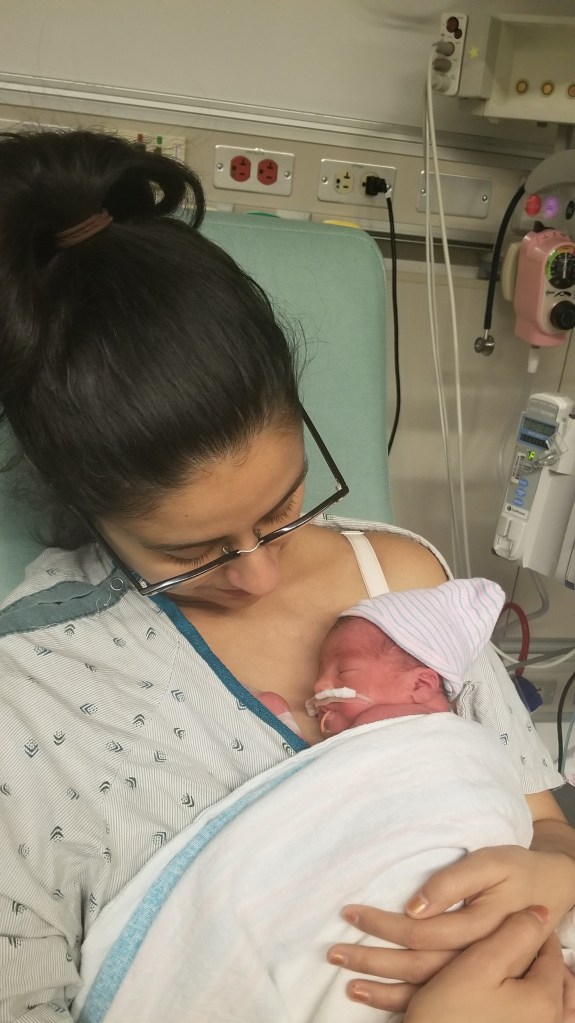
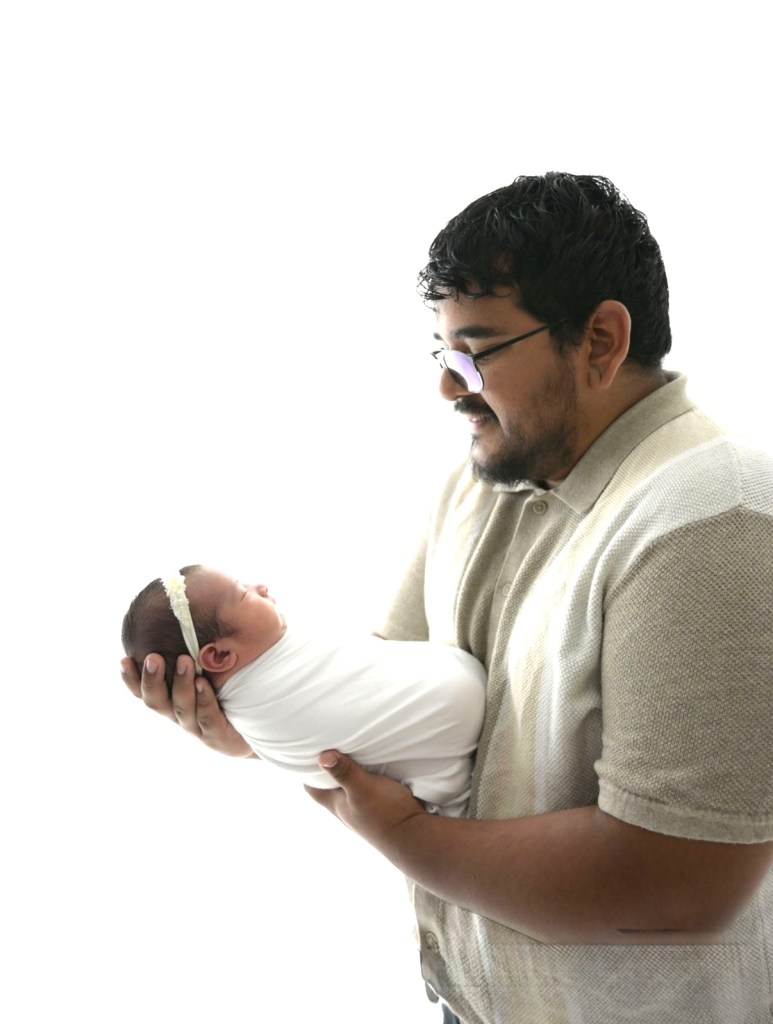
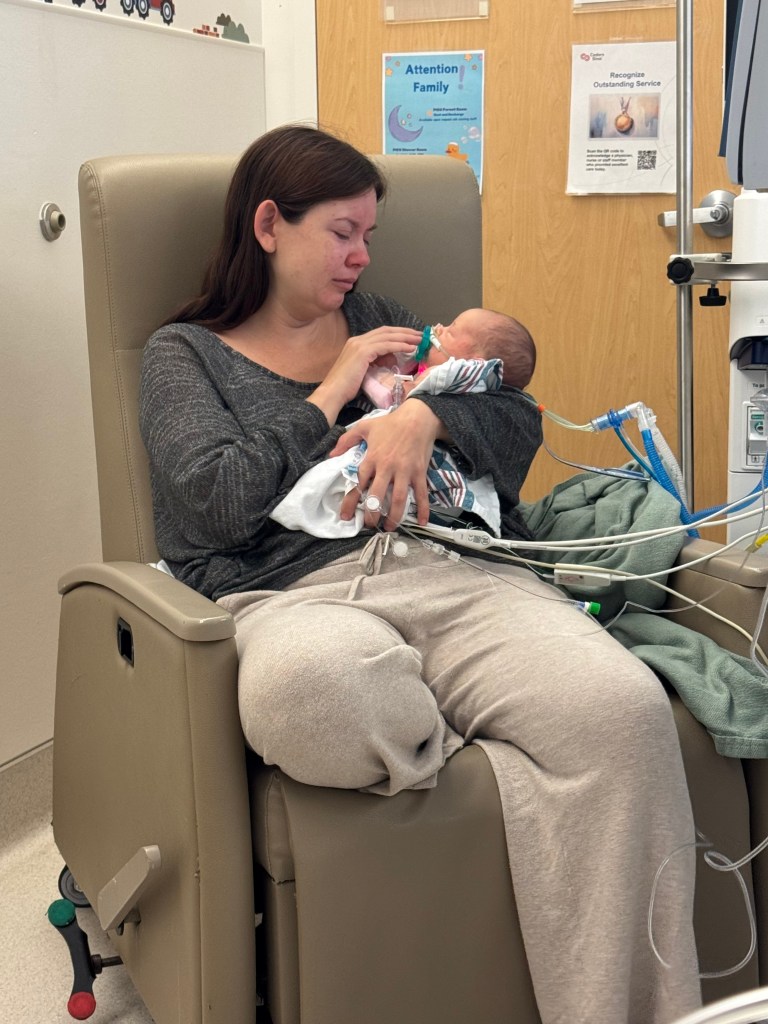
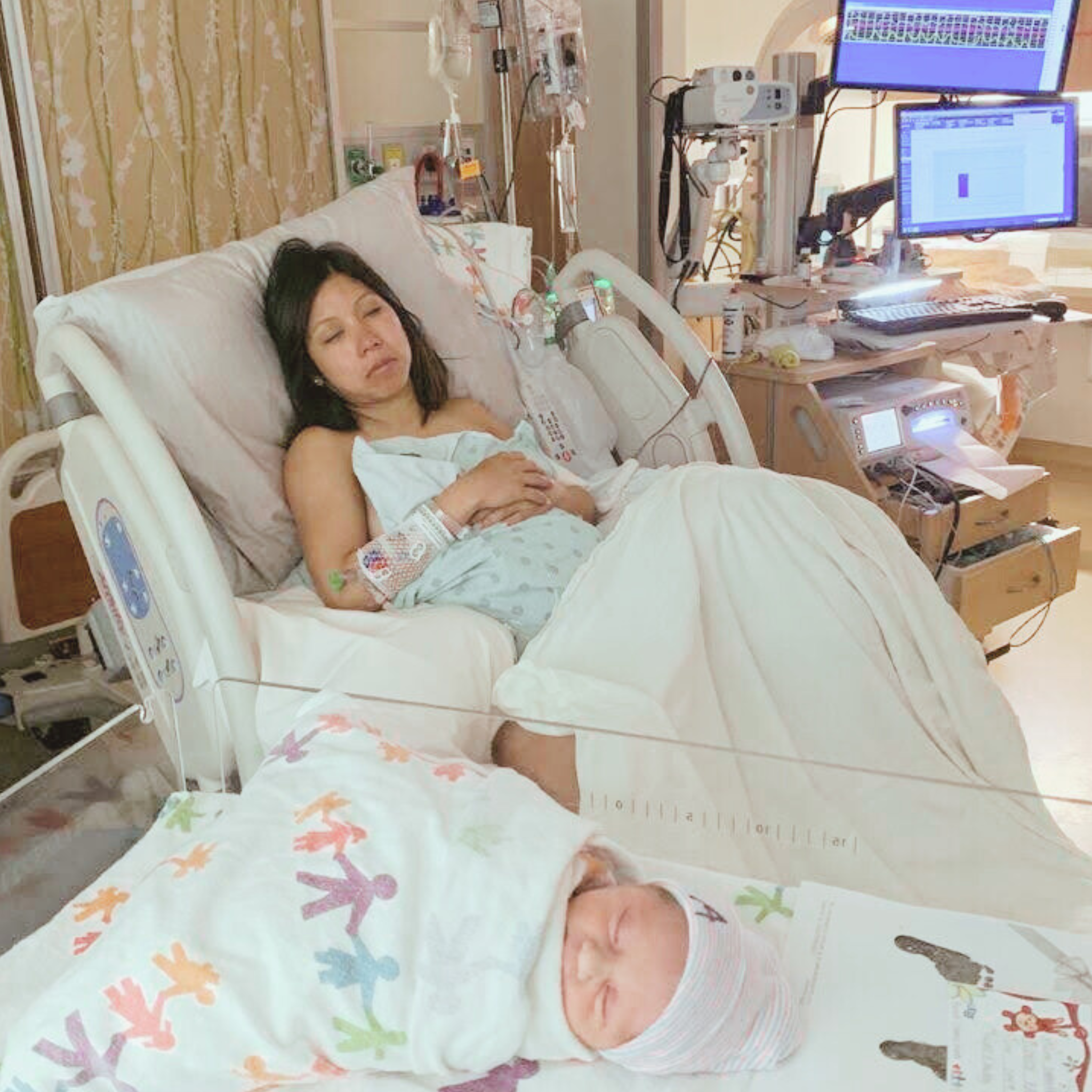
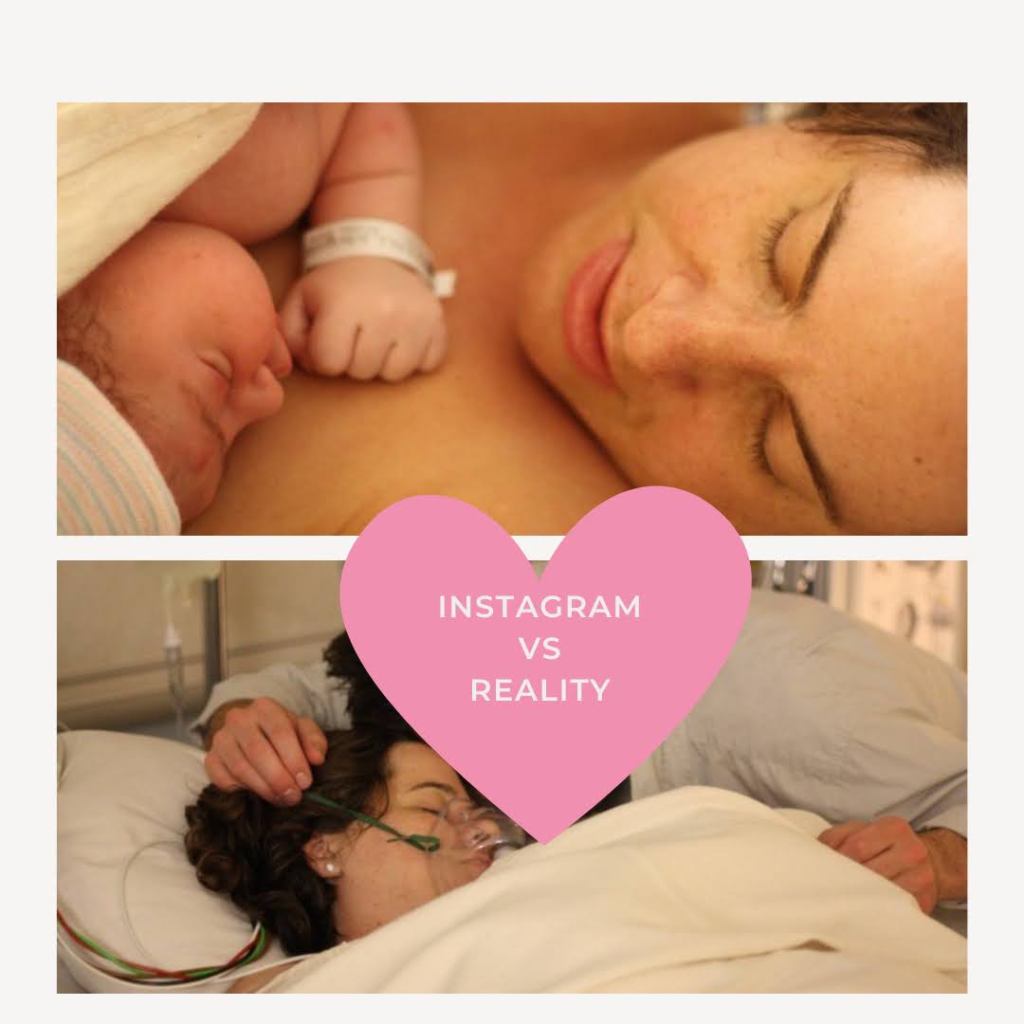
The birth of our daughter was not what I expected. I remember blood everywhere, my wife hemorrhaging, and the medical team seemingly unprepared for what was happening. Watching the person I loved most fight through such a traumatic experience left me terrified and overwhelmed.
I was also sick at the time and afraid to hold my newborn. Watching others hold her before I could felt devastating. I remember a sharp pain in my chest, as if a needle had gone through it. Yet I pushed my feelings aside because my focus was on making sure my wife survived and was okay.
After the birth, I watched my wife struggle under the pressure and shame surrounding breastfeeding. When I returned home alone because I was too sick to stay at the hospital, I felt like I had already failed as a husband and father. Back home, things became even more difficult. We were both full-time students, I was working full-time, and I often took over baby duties while trying to support my wife through challenges I did not fully understand.
At the time, my only understanding of postpartum depression came from extreme stories involving intrusive or violent thoughts. I did not realize it existed on a spectrum, nor did I know that partners could experience postpartum depression as well. I felt frustrated, helpless, and alone. Raised in a culture where mental health was rarely discussed and emotions were expected to be endured in silence, I had no framework for what I was experiencing. Looking back, I now understand that postpartum mental health affects entire families, not just mothers.